
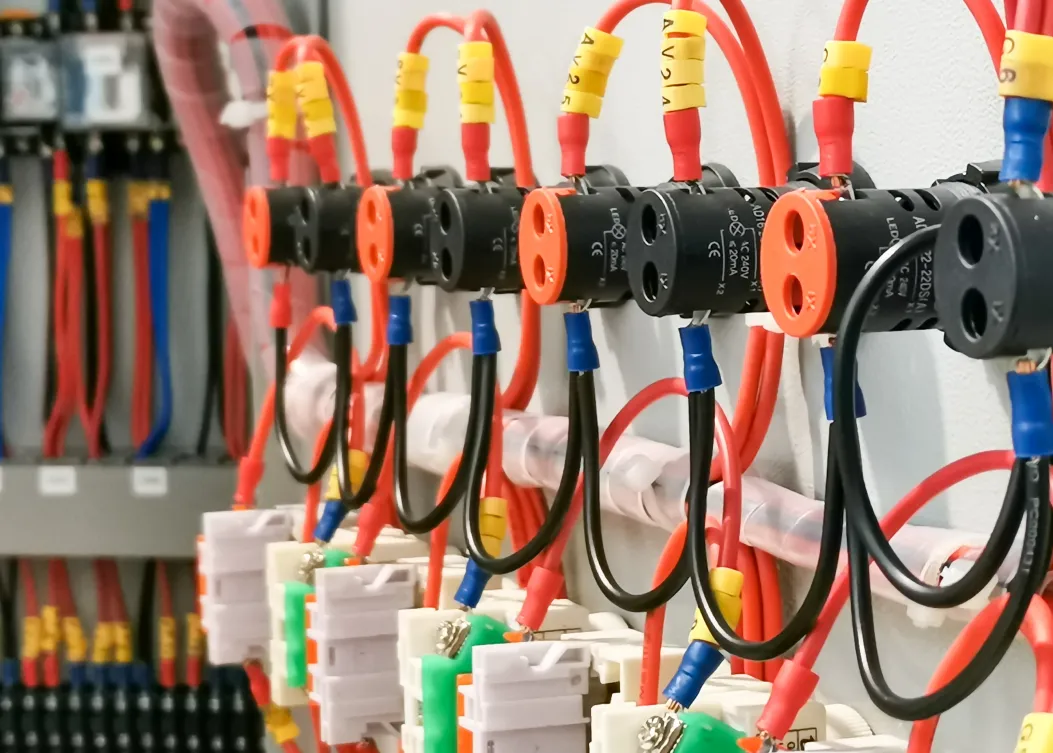
Machine Modernization: Rebuild, Enhance, Upgrade

Equipment Upgrades for Modern Production

Existing production equipment rebuilt, enhanced, or upgraded to address throughput demands, labor constraints, and the need to run faster without replacing what already works.

Start A Partnership
Start A Partnership
Machine Modernization Capabilities

Upgrades and enhancements engineered and built for equipment worth keeping.

Controls, Electrical, and Mechanical Upgrades

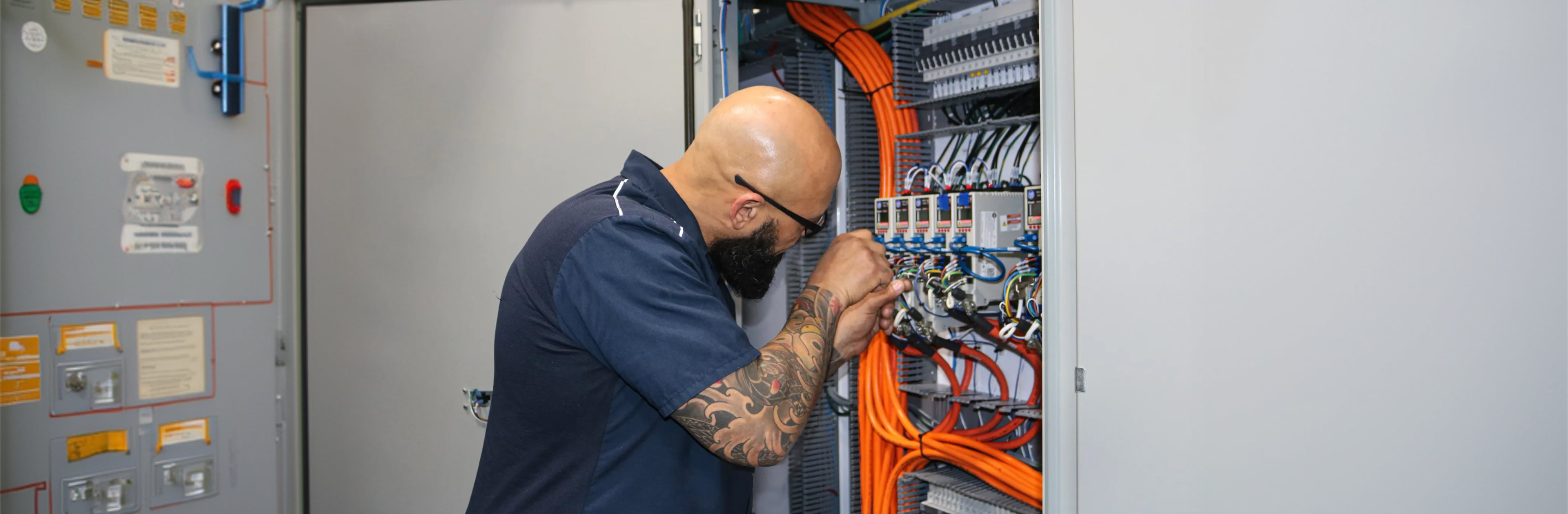
Legacy equipment rebuilt with current controls, updated electrical systems, and mechanical improvements that bring proven machines in line with today's production and performance standards.

Throughput and Capacity, Without Full Replacement

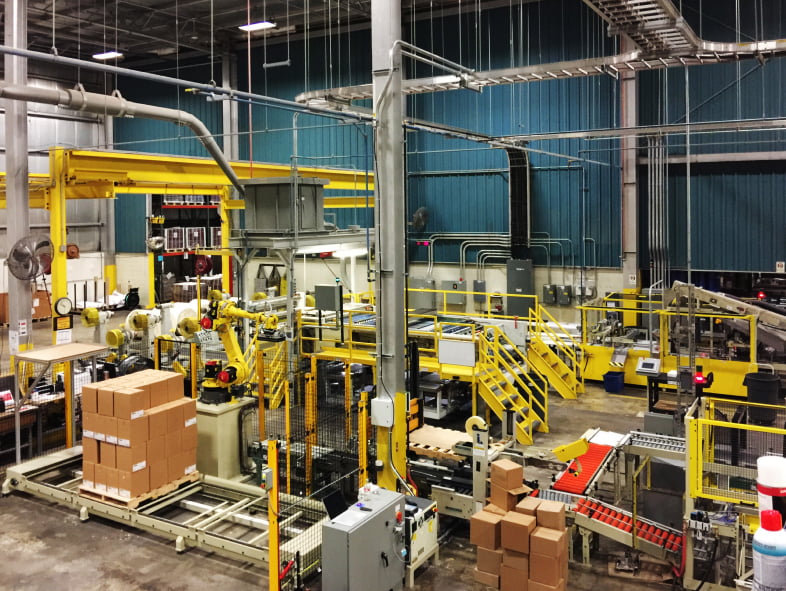
Existing equipment redesigned and retrofitted to run faster, handle higher volumes, and address labor and capacity constraints, delivering full production potential with cost-effective solutions.

Retrofit Expertise on Proven Systems

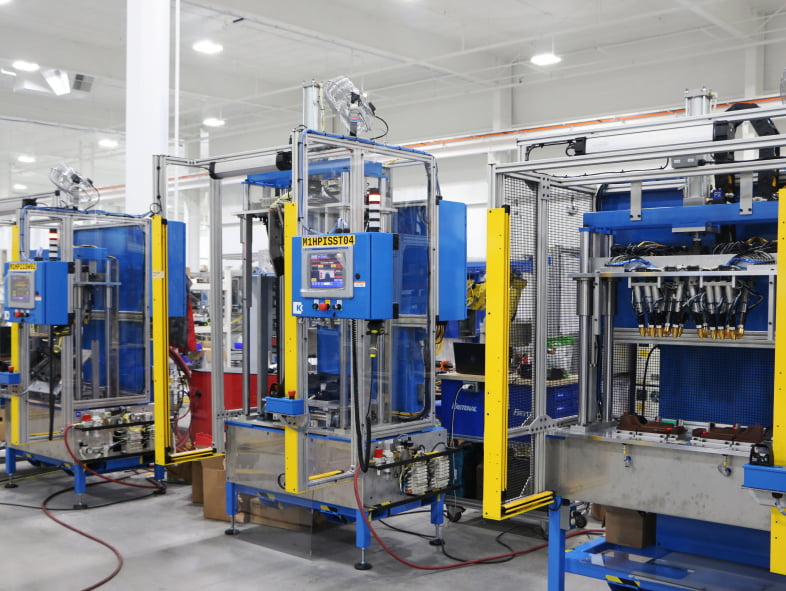
Enhancements engineered around the constraints of existing equipment, improving performance where it matters and protecting proven production lines.
Customer Success

Built on Long-Term
Partnerships

Ready to Upgrade Equipment Worth Keeping

Controls upgrades, mechanical retrofits, and automation systems modernized under one team, designed and built to bring existing equipment in line with current technology.
Start A Partnership
Start A Partnership
FAQ

Frequently Asked Questions

What is machine modernization and when does it make sense?

Machine modernization involves rebuilding, upgrading, or retrofitting existing production equipment to meet current performance, capacity, or automation requirements. It makes sense when equipment is mechanically sound but limited by outdated controls, aging electrical systems, or throughput constraints that replacement alone would not solve cost-effectively.

What types of upgrades are included in a machine modernization program?

Modernization programs typically include controls upgrades, electrical system updates, mechanical retrofits, HMI integration, and automation enhancements. Scope is determined by the specific performance gaps in existing equipment and the production requirements.

How is existing equipment assessed before a modernization program begins?

Assessment focuses on identifying where current equipment is limiting throughput, creating labor constraints, or falling short of modern production standards. Engineering teams evaluate mechanical condition, controls architecture, and integration requirements before scoping upgrades, ensuring improvements are targeted and aligned to real operational goals.

What industries commonly use machine modernization services?

Machine modernization applies across food processing, consumer products, pharmaceutical and medical, paper and converting, and industrial manufacturing environments. Any industry operating legacy production equipment that is mechanically worth keeping but operationally limited by outdated technology is a strong candidate for a retrofit or modernization program.

What is the advantage of managing modernization under one team?

Engineering and fabrication managed under one team means the people designing the upgrade are the same people executing it. There are no handoffs between design and build, which reduces disconnects, protects the integrity of the original scope and keeps the project accountable to both performance targets and production timelines.

Can production continue while equipment is being modernized?

Yes, in most cases. Modernization programs are engineered around the constraints of existing systems and planned to minimize disruption to active production. Engineering and execution are managed with an understanding of how the equipment fits into active production, not just how it performs in isolation.