
Manufacturing has always been high stakes. Processes evolve and tools change. The consequences don’t.
Complex projects expose gaps in communication, coordination, and execution. Over time, experience becomes less about what you can build, and more about how you manage those variables before they become problems.
Each era of Lindquist's history added something: proven process, tighter systems, clearer judgment. Because it's what the work required.
Today, that experience shows up in how projects are supported: by integrating with project teams to manage the details and ensure clear communication at every step. The result is steady execution, reliable quality, and the confidence that your project will be delivered as expected.
.svg)


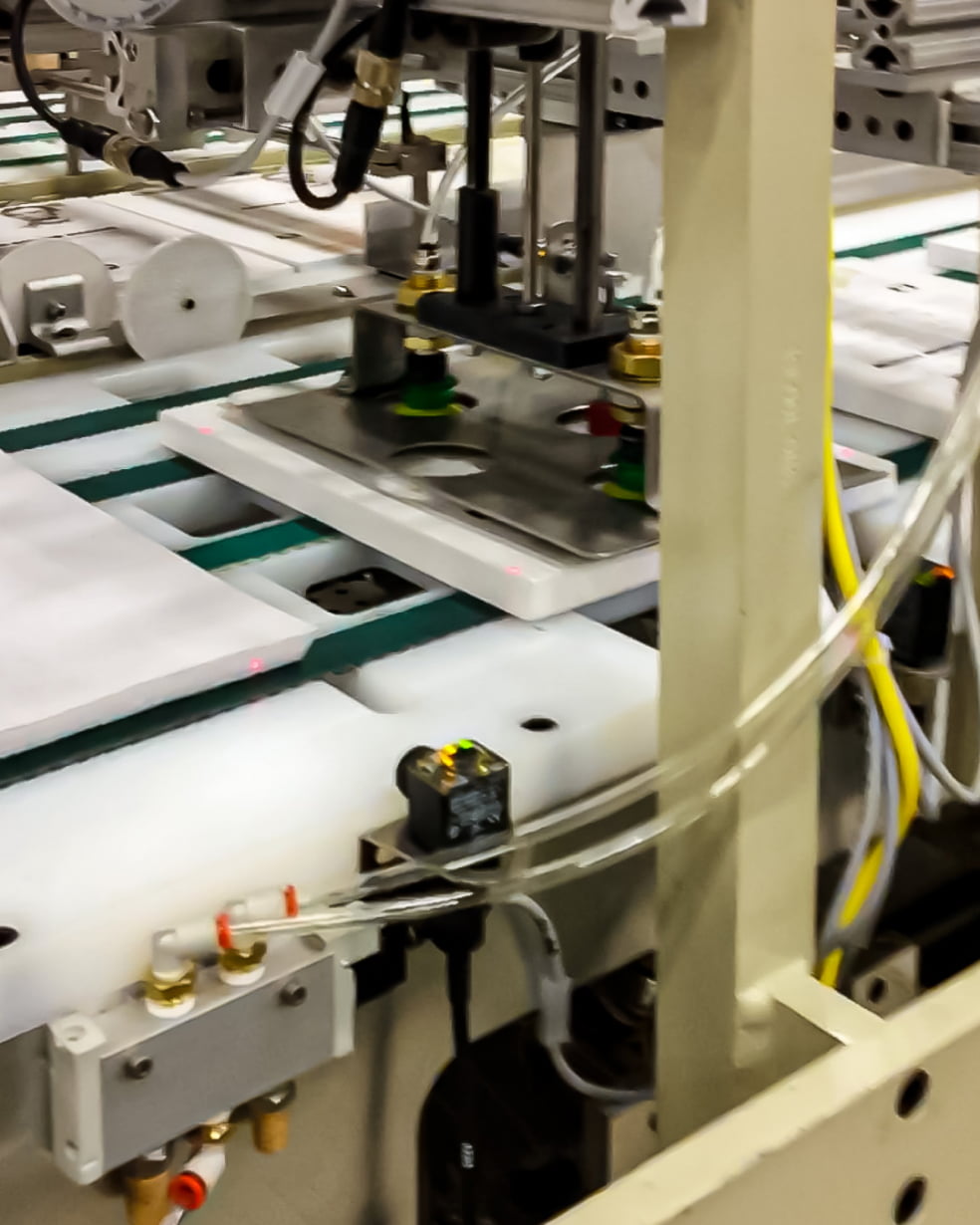

In the early years, small-batch tool-and-die work demanded precision and consistency, where every mistake was visible and every part had to perform.

As Lindquist moved into volume production, the shift exposed the limits of individual craftsmanship and led to disciplined, repeatable systems that could maintain quality under pressure.
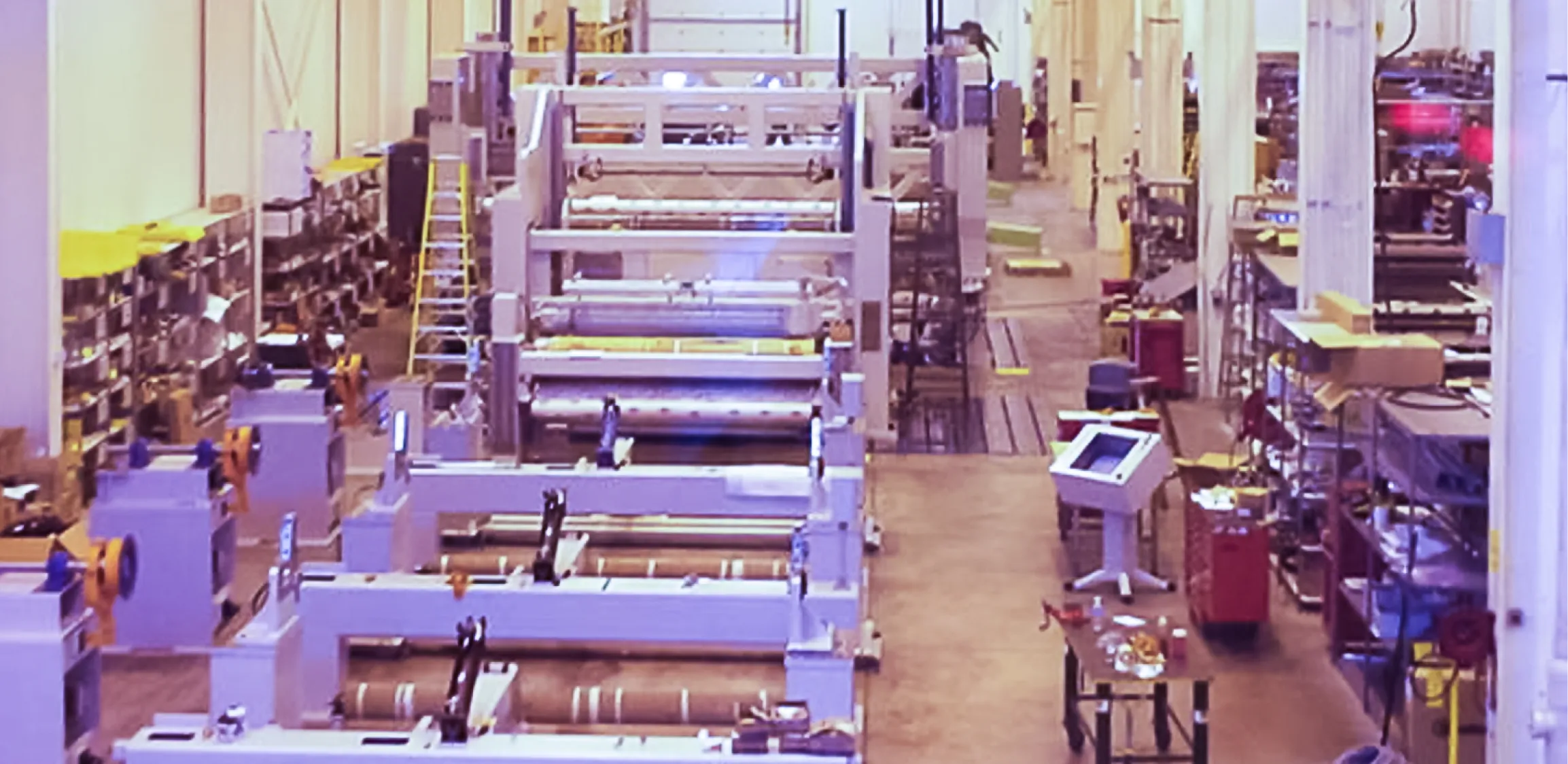
As projects grew into full machines and systems, the focus shifted from individual part accuracy to ensuring everything fit, functioned, and worked together without issues.
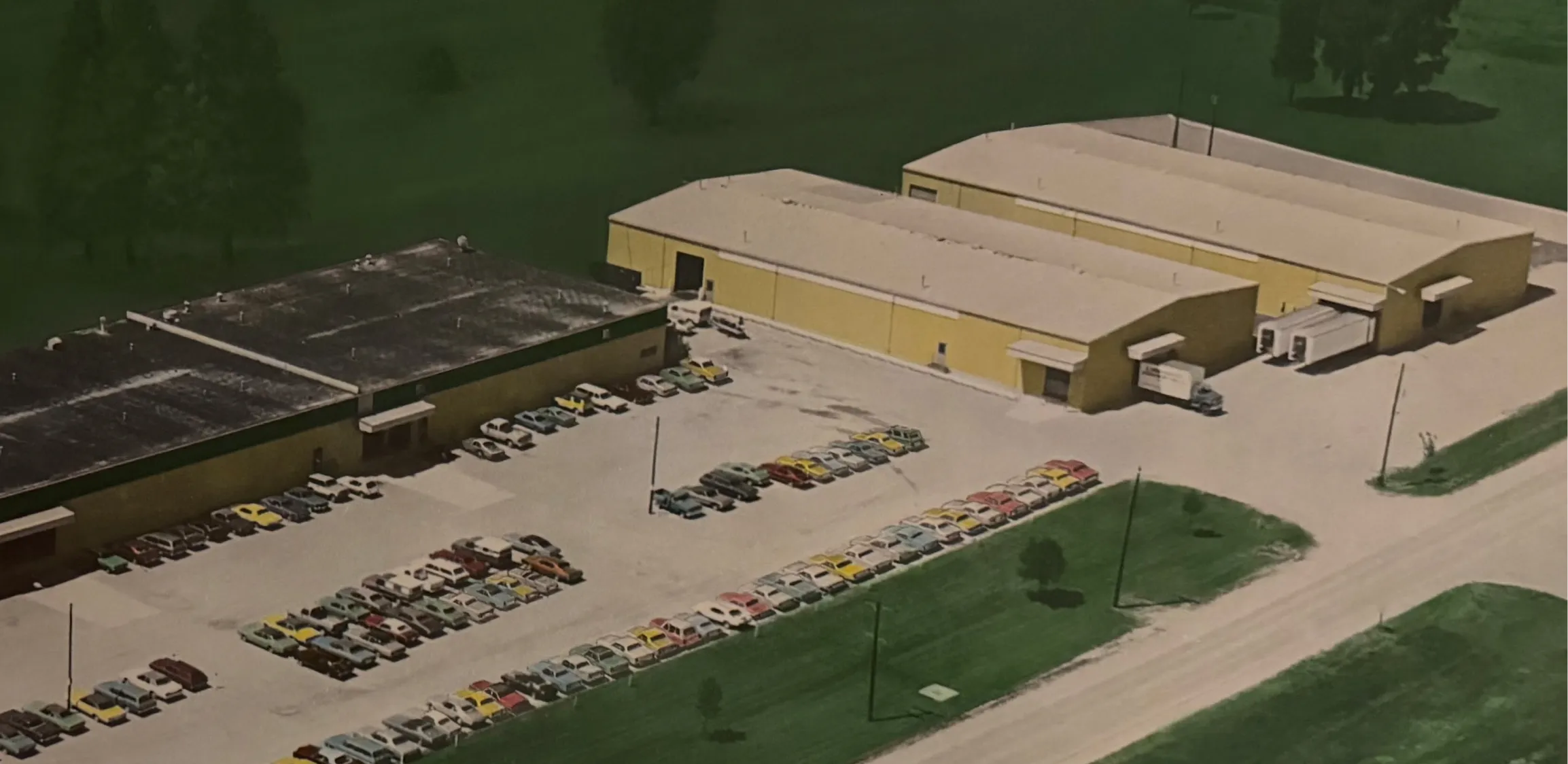
Regulated work during the 2008 downturn removed any margin for error, leading to tighter discipline, clearer documentation, and decisions that could stand up to scrutiny.

Working toward NQA-1 compliance strengthened our focus on disciplined execution, long-term traceability, and taking on only the work we’re structured to deliver successfully.