
Nuclear

Nuclear Fabrication Built to Program Requirements

NQA-1 compliant fabrication with full material traceability, documented quality processes, and complete builds executed under one roof.

Start A Partnership
Start A Partnership
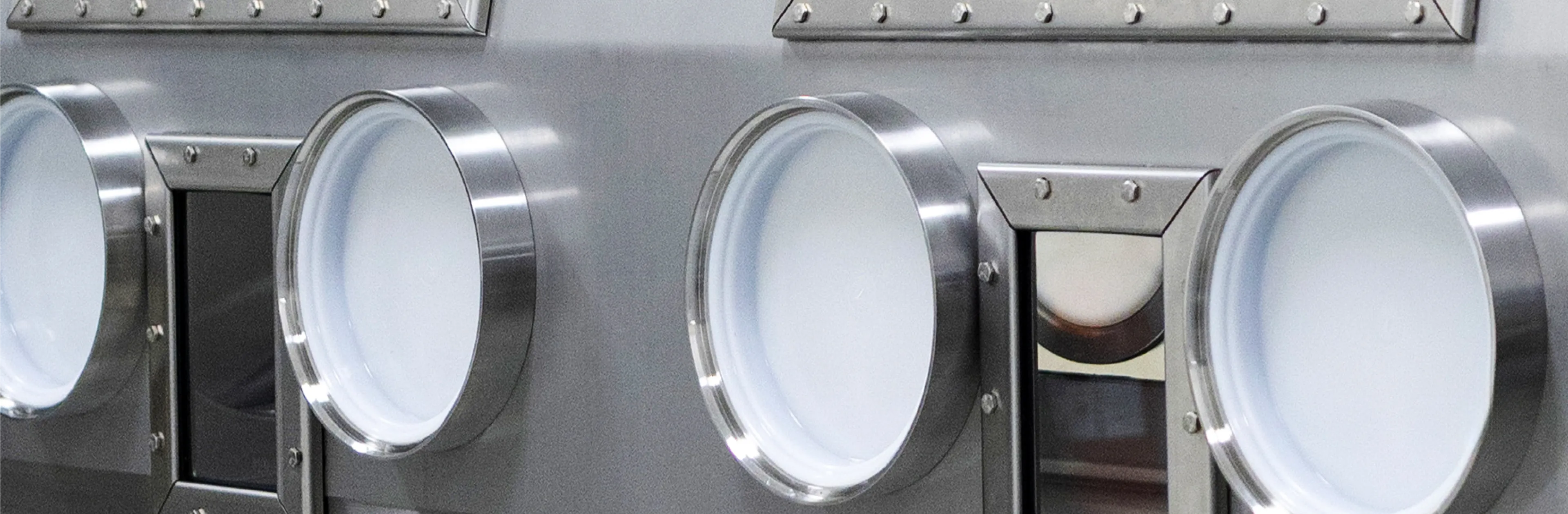
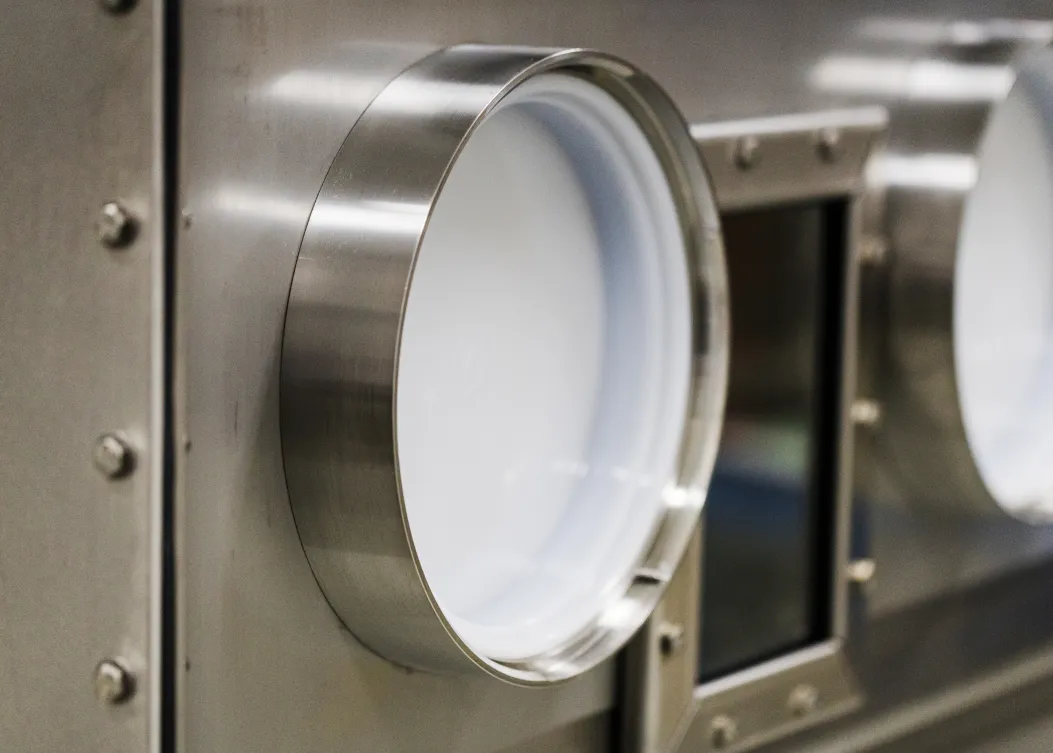
Controlled-environment glovebox system used for nuclear manufacturing and material handling
Nuclear Industry Capabilities

Nuclear Experience Built on Process and Precision

nQA-1 Certified Icon

NQA-1 and Appendix B Aligned Processes

Documented quality processes aligned with NQA-1 standards and 10 CFR Part 50 Appendix B requirements, supporting traceability, audit readiness, and disciplined execution across commercial nuclear, DOE, and research program environments.
Nuclear Grade Icon

Nuclear-Grade Materials

Nuclear-grade stainless steel and high-alloy materials, fabricated and welded to the standards nuclear programs require.
Machine Fabrication Icon

Machining, Fabrication, and Assembly

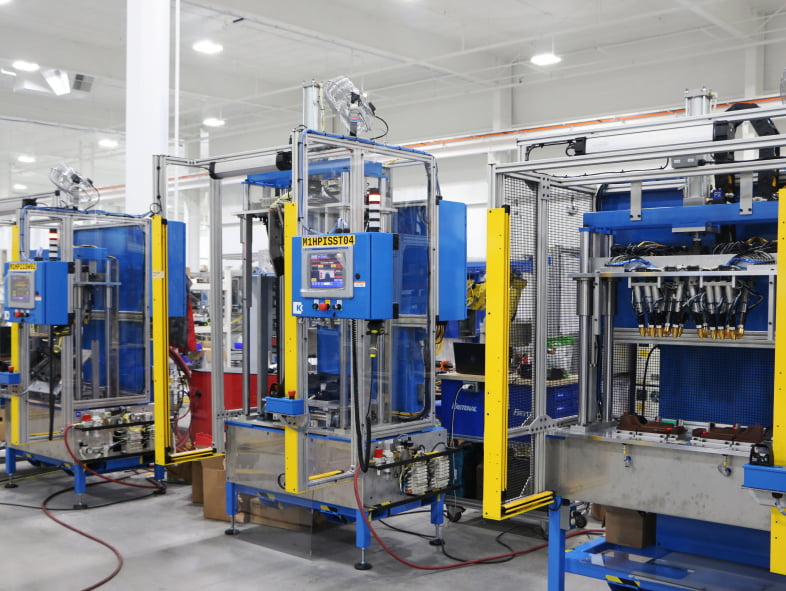
Nuclear capabilities span containment projects including gloveboxes, hot cells, ancillary equipment, and isotope systems, executed under a documented quality plan with full traceability throughout.
Customer Success

Built on Long-Term
Partnerships

Ready to Support the Next Nuclear Project

Controlled execution, documented quality processes, and build to print fabrication aligned to nuclear program requirements.
Start A Project
Start A Project
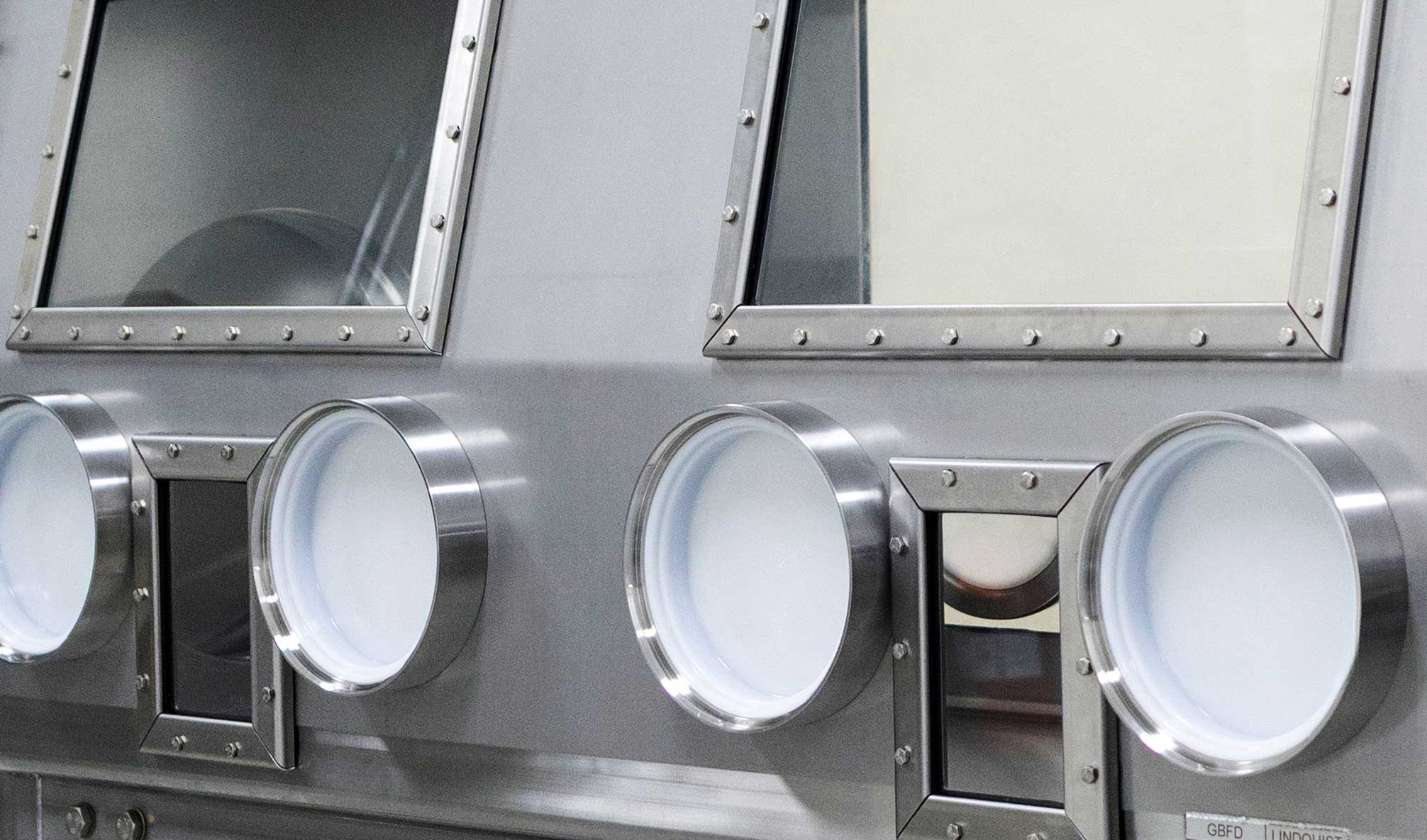
Nuclear-grade glovebox enclosure manufactured for controlled and traceable production environments
FAQ

Frequently Asked Questions

What is NQA-1 fabrication?

NQA-1 fabrication refers to manufacturing processes executed under documented quality standards used across commercial nuclear, DOE, and research programs. These standards align with 10 CFR Part 50 Appendix B quality assurance requirements and ensure fabrication work is documented, traceable, audit-ready, and performed under strict quality controls.

What does it mean to work with an NQA-1 compliant company?

Working with an NQA-1 compliant company means projects are supported by well-documented quality processes, material traceability, and compliance standards designed for highly regulated nuclear environments.

What types of equipment are commonly used in nuclear fabrication projects?

Nuclear fabrication projects often include gloveboxes, hot cells, isotope equipment, containment systems, and other precision-built assemblies requiring strict documentation and quality standards.

Why is traceability important in nuclear manufacturing?

Traceability helps verify that materials, welds, and manufacturing processes meet strict nuclear quality standards. It also supports compliance documentation and inspection readiness.