Drawings and specs define what’s built. Nuclear program requirements establish how the work is controlled, documented and delivered.
Material traceability, drawing and revision control, welding procedures, inspection, documentation and final quality records are all part of the scope.
Program teams need clear answers to two questions:
- Which quality requirements apply?
- Does the manufacturer have the systems, capacity, documentation and the evidence to prove they can execute?
Both questions become more important as nuclear deployment expands and work moves through the manufacturing supply chain.
More Nuclear Deployment Means More Manufacturing Requirements
In June 2026, the U.S. Department of Energy (DOE) announced a conditional commitment for $17.5 billion in American Nuclear Supply Chain Loans for long lead equipment tied to ten large scale commercial reactors. The goal is to expand domestic nuclear manufacturing capacity and accelerate deployment by as much as three years.
Reactor development at scale means more manufacturing demand. Equipment needs to be sourced, fabricated and assembled according to nuclear program requirements, creating demand for manufacturers and suppliers capable of executing nuclear work.
As demand grows, available manufacturing capacity has to be matched to program requirements.
Nuclear Programs Do Not All Bring the Same Quality Requirements
Nuclear work carries different quality requirements depending on the program, customer and scope of work.
Commercial work regulated by the Nuclear Regulatory Commission (NRC), DOE and government programs, and other nuclear manufacturing projects each bring their own requirements into procurement. Nuclear program requirements can call for work under an ISO 9001 or NQA-1 quality program, along with applicable regulatory and customer requirements.
Establishing that early matters. It determines which controls carry through manufacturing to delivery with the finished equipment.
That answers the first question: Which quality requirements apply?
The next question is whether the manufacturer can execute.
Where NQA-1 and Appendix B Fit
Whether the manufacturer can execute starts with understanding requirements. Two terms come up: NQA-1 and 10 CFR Part 50 Appendix B.
Appendix B sets the NRC’s quality assurance criteria for nuclear facilities and activities covered in its regulatory scope. NQA-1 is the American Society of Mechanical Engineers (ASME) consensus standard used to develop and run nuclear quality assurance programs.
The two are related, but serve different purposes. NRC guidance recognizes endorsed editions of NQA-1 as an acceptable way to meet Appendix B, with specific exceptions and clarifications.
For the manufacturer, the distinction between the two plays out in practice. An NQA-1 program defines how covered activities are controlled and documented. Appendix B requirements reach suppliers through procurement contracts.
Either way, quality requirements carry through the build.
Procurement Requirements Bring Quality Into Fabrication
The procurement process defines what comes with the work through the contract. Appendix B applies to the NRC licensee, with requirements flowed down through purchasing agreements.
The customer, prime or engineering organization may retain design and other program responsibilities while the manufacturing supplier performs its assigned scope under the quality controls specified in the purchase order (PO).
NRC vendor inspections examine whether a vendor is meeting Appendix B as required by the procurement contracts a licensee has in place. At the manufacturing level, the PO, drawing package and quality clauses define the controls that carry through the build.
Controlled Execution Must Be Visible on the Manufacturing Floor
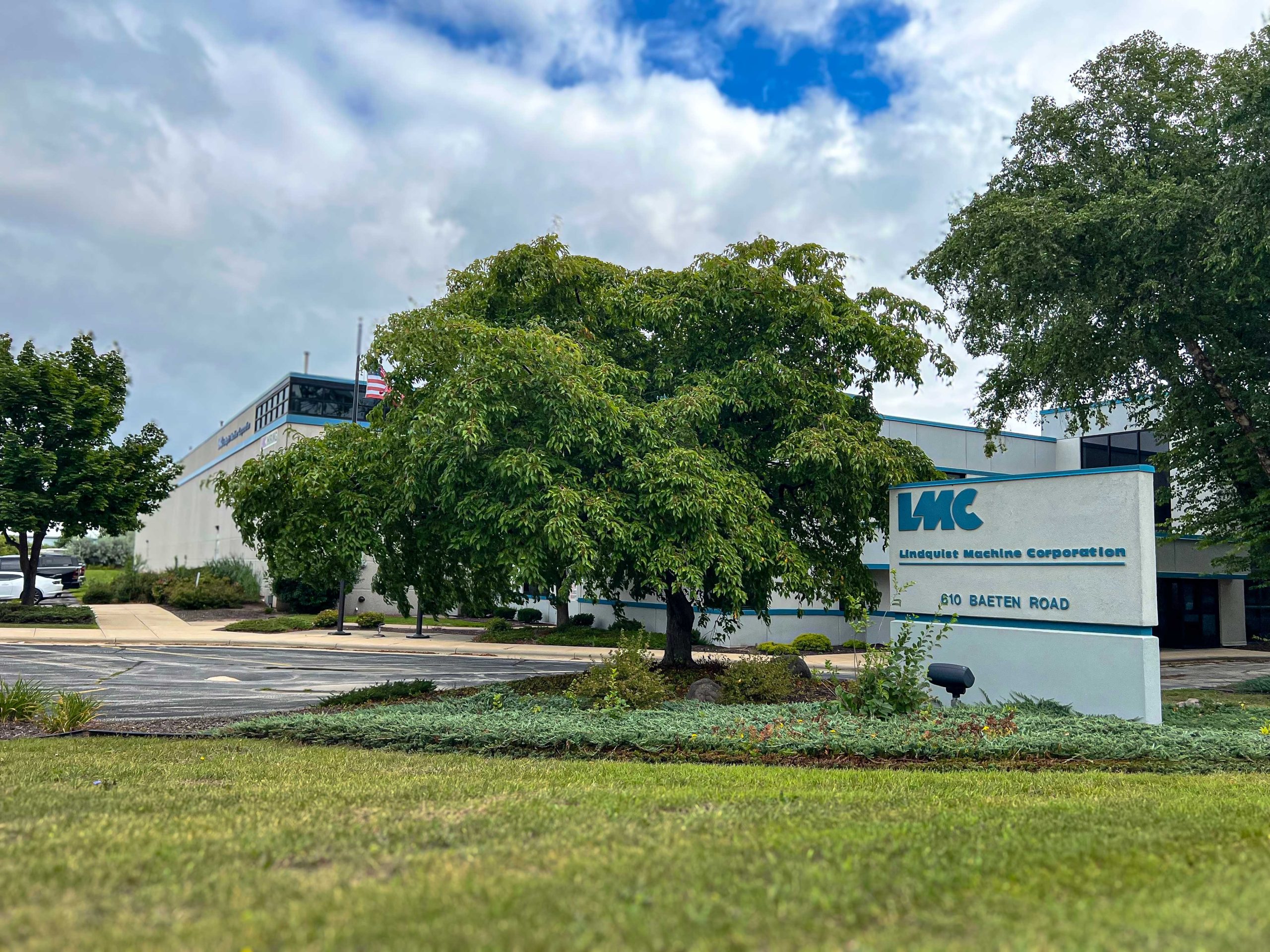
For Lindquist Machine Co. (LMC), NQA-1 applies to fabrication. LMC executes customer designs within the assigned manufacturing scope under its nuclear quality program.
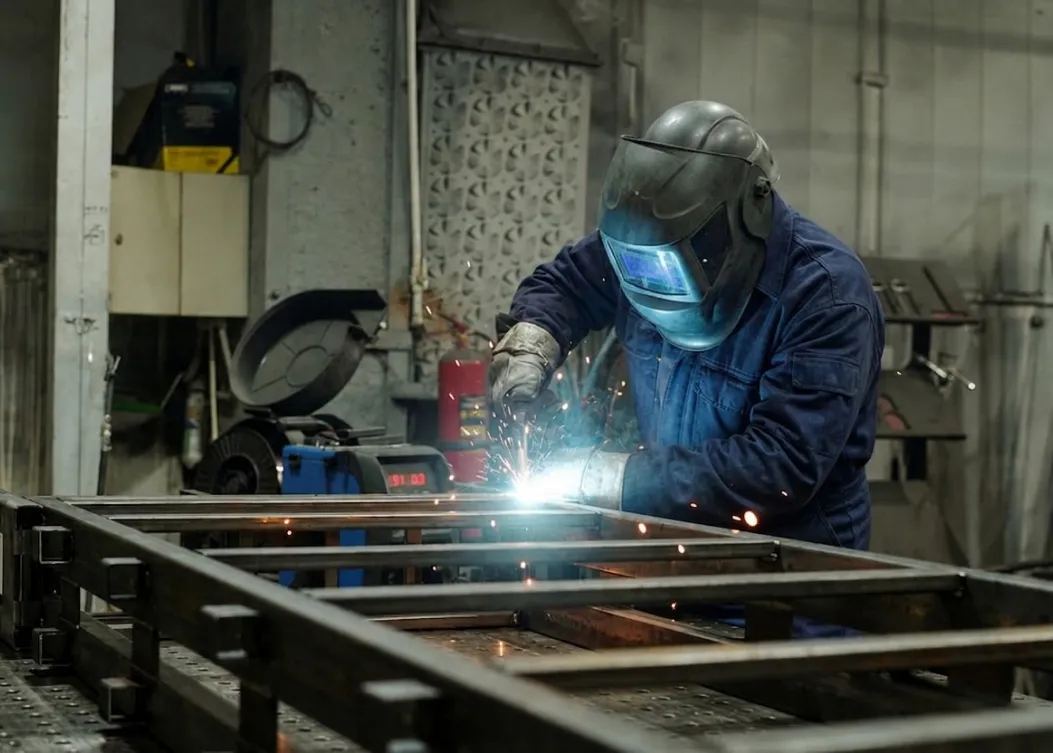
The procedure, the work and the record stay connected throughout the build. Revision control ties the work to the correct drawing as changes happen. Material certifications and traceability follow each piece from receipt through delivery. Welding and other special processes are performed by qualified personnel using the required procedures. Weld maps, inspection results and quality records capture the work as it progresses.
When something changes or doesn’t meet requirements, it’s controlled and documented.
The completed record shows what was built and how work was performed.
Nuclear Readiness Demonstrated in 3 Ways
A customer evaluating a nuclear manufacturing supplier is looking for three things:
- Relevant work. What have they done?
- Quality program scope. Does it cover the work being assigned?
- Demonstrated execution. Can they produce the records and stand behind it under audit?
LMC’s experience includes projects delivered under its NQA-1 program, along with internal and customer audits. Customers review LMC's records and audit its program as the work requires
Requirements Determine the Manufacturing System
As deployment expands, nuclear programs need additional manufacturing capacity. Whether it’s an NQA-1 program or Appendix B brought through procurement, increased capacity is only useful when it can operate within the requirements attached to the work.
LMC’s NQA-1 program covers its fabrication scope, with each project executed to the quality controls, documentation and customer specifications that come with it.
Key Takeaways
- LMC's NQA-1 program covers its fabrication scope, with projects executed to the quality controls, documentation and customer specifications nuclear work requires.
- Nuclear projects carry different quality requirements depending on the program, customer and scope of work.
- NQA-1 and 10 CFR Part 50 Appendix B are related but serve different purposes. Applicable requirements carry into manufacturing through the customer's procurement process.
- Supplier readiness is demonstrated through relevant work, program scope and documented execution, with records available for customer review and audit.
Frequently Asked Questions
Is NQA-1 the same as 10 CFR Part 50 Appendix B?
No. Appendix B establishes the NRC's quality assurance criteria for nuclear facilities and activities within its regulatory scope. NQA-1 is the ASME consensus standard used to develop and run nuclear quality assurance programs. NRC guidance recognizes endorsed editions of NQA-1 as an acceptable way to meet Appendix B, with specific exceptions and clarifications.
Does every nuclear manufacturing project require NQA-1?
Not necessarily. Quality requirements depend on the program, customer and scope of work. Nuclear manufacturing projects may call for an NQA-1 or ISO 9001 quality program, along with applicable regulatory and customer requirements.
What can LMC demonstrate during nuclear supplier qualification?
LMC's NQA-1 program covers its fabrication scope. Its experience includes projects delivered under the program, along with internal and customer audits. Customers can review applicable quality records and audit LMC's program as the work requires.
Related Resources
To go deeper into LMC's nuclear manufacturing capability: Nuclear Industry: Fabrication Built to Program Requirements